

The image of God (imago Dei in Latin) is a core belief in the Christian faith that represents the spiritual nature of humanity in relation to the God of the Bible. This belief is also part of the Jewish faith.
Imago Dei is first introduced in Genesis 1:26, “Let us make mankind in our image . . .” and further described in Genesis 1:27, “So God created mankind in his own image, in the image of God he created them; male and female he created them.”
This is the only time in Scripture, and during creation, that God creates in his own image.
What Does “Made in God’s Image” Mean?
Let’s look at Genesis 1:26–27 (emphasis added):
Then God said, “Let us make mankind in our image, in our likeness, so that they may rule over the fish in the sea and the birds in the sky, over the livestock and all the wild animals, and over all the creatures that move along the ground.”So God created mankind in his own image, in the image of God he created them; male and female he created them.
This passage reflects the only time in Scripture where part of God’s creation is mentioned as being made in his image. On this basis we conclude that human beings are uniquely created in the likeness of God, our Creator.
This means that each human being, whom God has made in his own image (both male and female), is graciously bestowed with intrinsic dignity from the moment they’re created.
So, how can humans, as a composite of body and spirit, be made similar to someone we can’t see?
Historically, theologically orthodox Christians have held to the belief that humans uniquely bear God’s image. Yet there are different perspectives on the exact meaning of imago Dei.
Understandably, it’s confusing! But it’s incredibly important to dive into this topic, especially because it informs our view of morality. Throughout history, this belief that humans are created in the image of God has shaped societies around the world.
A complete understanding of imago Dei just isn’t possible since we as humans have a limited understanding of God’s nature. But we can get closer to a biblically faithful description of the image of God through careful study of Scripture and God’s creation.
A basic understanding of the doctrine holds that the imago Dei represents how all human beings reflect Godlike qualities. These include our desire to be in relationship and in fellowship with others, our spiritual nature, our ability to think critically, and more.
The Christian and the non-Christian are created in the image of God. Yet, his image has been marred by sin in all of us. By making us in his image, God displays his goodness to all humans.

In What Ways Are Humans Like God?
Humans are like God in our knowledge, awareness, and pursuit of morality
People can display some of God’s attributes, such as knowledge, wisdom, goodness, love, holiness, justice, truthfulness, and more. This is what theologians call the communicable attributes of God, as opposed to God’s incommunicable attributes such as omniscience. However, these attributes in humans differ in degree from those found in God. We’re finite, imperfect, and affected by sin, but in him the same characteristics (and more) are unlimited and perfect.
Humans reflect God in our relationships
The Bible also tells us that the imago Dei gives humans the unique opportunity to be in relationship and to be reconciled—despite our sinful nature—with our holy God. God is a relational being who exists eternally in a joyful relationship between the Father, Son, and Holy Spirit (the Trinity). God also created us to live in relationship with one another and with him.
Humans image God in our actions
God uniquely gave humanity authority over creation, which we can learn about in Genesis 1:26 (emphasis added):
Then God said, “Let us make mankind in our image, in our likeness, so that they may rule over the fish in the sea and the birds in the sky, over the livestock and all the wild animals, and over all the creatures that move along the ground.”
And because we are image bearers, humans have the important role of ruling over and caring for all that God has created.
The imago Dei is what sets humankind apart from everything else in creation! Bearing his image is what makes humanity God’s crown jewel in his creation. Nowhere else in Scripture are God’s other created works referenced as being made in God’s image.
Now, with this basic framework, let’s dive into the original Hebrew to gain a deeper understanding.
What Does Scripture Say About the Imago Dei?
“Let us make mankind in our image, in our likeness” (Genesis 1:26a).
There are only six verses in Scripture that directly refer to human beings as image bearers.
- Genesis 1:26–27
- Genesis 5:1
- Genesis 9:6
- 1 Corinthians 11:7
- Colossians 3:10
- James 3:9
In these verses the Hebrew words for “image” (tselem) and “likeness” (demut) convey the idea of an object similar to or representative of something else, but not identical to it.
The words “image” and “likeness” shouldn’t be understood as referring to two different things, but rather as interchangeable terms. The New Testament Greek word for “image” conveys virtually the same meaning as the Hebrew.
Both languages indicate that humans are created in the likeness of God, but are not identical to God. Therefore, from a biblical perspective, human beings, who bear God’s image, are both alike and distinct from the God who made us.
To be clear, our Creator God is distinctly different from that which he created. As the Creator, he is not limited like we are as humans. He is infinite, eternal, perfect, and so much more. Finite creatures like us are unable to embody these characteristics.
Some of the best features of humankind (such as the ability to love, pursue justice, and be creative) are characteristics that reflect God’s relational, just, and creative qualities.
What a gift it is for humans to reflect the God who made us! What an honor it is to carry the likeness of the Creator of the universe!

Do Men and Women Bear God’s Image Equally?
Yes! Men and women, male and female, are equally made in God’s image.
So God created mankind in his own image, in the image of God he created them; male and female he created them (Genesis 1:27; emphasis added).
When God created mankind, he made them in the likeness of God. He created them male and female and blessed them. And he named them “Mankind” when they were created (Genesis 5:1–2).
From these passages we learn that God made man and woman (male and female) in his image. Thus, both men and women equally, yet distinctly, bear God’s image.
One perspective holds that the distinction between males and females is purposeful, as male and female relationships (within marriage) point toward Christ and his relationship with his people, the church. That is, Christ is the bridegroom and the church is his bride.
When a man and woman enter into a marriage covenant (or promise), they represent the covenant between Christ and the church (Genesis 2:24, Ephesians 5:31).
This relationship leads us to believe that God’s intention for marriage was for the union of male and female to mirror the commitment between Christ and the church.
Are marriages between Christian men and women perfect? Far from it. Due to humanity’s sinful state, human relationships are not perfect portrayals of God’s great love for his people (Romans 3:23–24).
But what this means for us—as our relationships imperfectly resemble God’s love for his people—is that we have perfection to look forward to in Christ’s second coming to Earth.

Did Sin Change the Image of God?
Here’s one way to view the fall of mankind in relation to the imago Dei: When sin entered the Garden of Eden, humans were scarred by their sin but not destroyed. Sin marred, but didn’t efface, God’s image in humans. In God’s grace, he chose to redeem his creation rather than wipe it out.
However, sin did change human beings’ relationship with God and one another. In our fallen state, humans are now at enmity with God and with one another. Nevertheless, sin didn’t change the fact that humans are created in the image of God.
Because every human continues to bear the imago Dei, God sees even our marred images as redeemable and restorable. It’s because of the imago Dei that God saw humankind as worthy of redemption. In the triune God’s great act of selfless love (John 3:16), Jesus took our place of punishment for sin on the cross. He also gave us his righteousness, by which we can stand blameless before our holy Creator.
Did our sin change God? No. God remains unchanging (Matthew 24:35; Hebrews 13:8). Sin and evil have no power over God and he is able to use humans, even in our sinful disposition, for his glory and good purposes.
With this in mind, we can be confident that even after Adam and Eve’s fall in the Garden of Eden, all humans (Christian and non-Christian) continue to bear God’s image.
But, sadly, because of our sin all humans are often an incomplete, and even a poor, reflection of his image.
In his letter to the Colossian church, the apostle Paul explains that as believers in Christ they are also alive with Christ. He urges them to turn away from their sinful ways and to turn toward God, and to “put on the new self which is being renewed in knowledge in the image of its Creator” (Colossians 3:9–10).
Paul was reminding the church in Colossae that even though they were sinners, they are made in God’s image and have been raised to life with Christ. The image of God in redeemed sinners is to undergo renewal of the knowledge of God. Paul’s letter to the Colossians at the time of the early church is still relevant to us today.
Furthermore, in James 3:9, author James warns the Jewish Christians about the temptation for us to praise God while also cursing our fellow image bearers.
With the tongue we praise our Lord and Father, and with it we curse human beings, who have been made in God’s likeness. Out of the same mouth comes praise and cursing. My brothers and sisters, this should not be (James 3:9).
James is making the point that since human beings are created in God’s likeness, when we speak evil to another image bearer, we’re also speaking evil toward God.
We learn in these postfall Scripture passages that despite humanity’s sinful state, humans continue to reflect God’s image. However, because we still live in a fallen world as sinful human beings, we also look forward to Jesus’s second coming when God will renew and restore the earth.
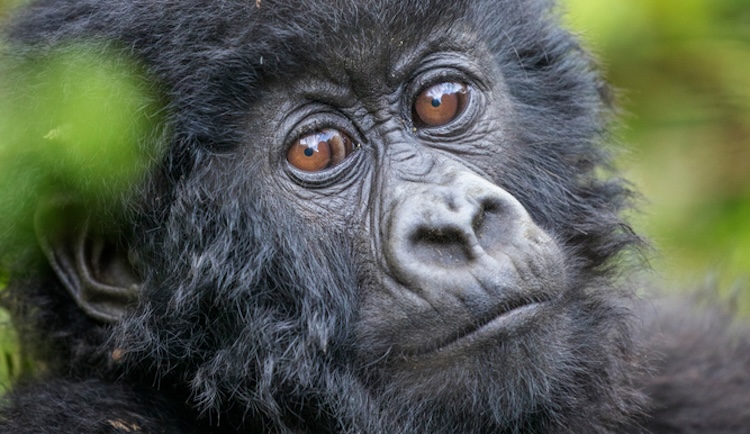
Are Animals Made in the Image of God?
It’s undeniable that animals share some characteristics with humans. Animals are even capable of having emotions and thoughts.
So, are animals also created in God’s image?
Genesis 1 emphasizes the unique creation of “soulish” animals (Hebrew nephesh). These soulish animals (including birds, mammals, and some reptiles) are able to form emotional bonds, especially with their parents and their young.

Think of a parent animal caring for its offspring, or even sacrificing its own life to save the life of its young. We’ve all seen images of these moments and they can be both heartwarming and heart-wrenching.
Let’s look to the biblical creation account to help us learn more about the relation between humans and animals.
In Genesis 1, the Hebrew word bara is translated as “create” and used only three times.
- When God brings the universe into existence (Genesis 1:1)
- When God creates the nephesh (soulish animals, Genesis 1:21)
- When God creates humans (Genesis 1:27)
In the context of Genesis 1, bara is reserved for God bringing something brand new into existence.
While humanity shares physical qualities with animals, people stand alone in terms of their spiritual nature. Bara, used in Genesis 1:26–27 and Genesis 5:1–2 with reference to humanity’s creation, suggests God’s origination of something brand new.
If humans had a likeness to animals, we would assume that the writer of Genesis would not have used bara to describe how God made humans. Instead, in Genesis 1:27 bara is used three times to explain how God created mankind in his image.
Thus, the Genesis creation account solidifies how human beings alone are made in God’s image. And while humanity is directed to care for the animals, we must be careful not to characterize animals with mankind’s unique image and likeness of God.

How Do We Reflect God’s Image Today?
Christians can rejoice in the fact that we’re made in God’s image. Even though we’re imperfect at reflecting his image to the world, it’s all the more reason why we look to Jesus Christ, God’s Son, as the perfect image of God the Father.
It’s our charge as God’s image bearers to tell other image bearers how they can be reconciled to their Creator. God promises to restore his image in all repentant sinners through the lifelong process of sanctification (transformation into Christlikeness).
And how can each of us as imperfect humans be sanctified? By the grace of Christ and the power of the Holy Spirit, we can be born again (renewed) to a God-honoring life, restored in God’s image of righteousness and holiness.