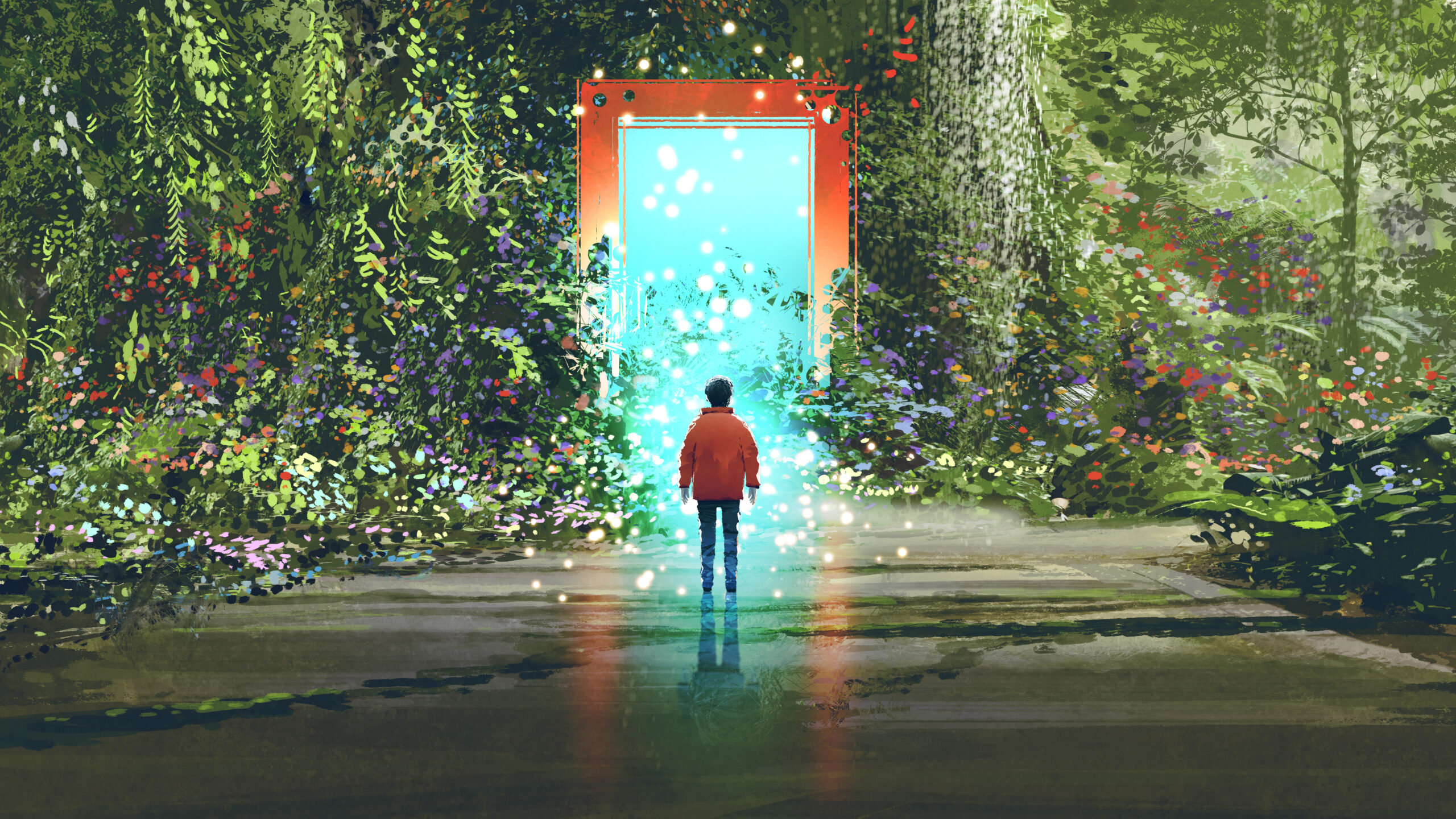
Human Tools and Technology
From early stone tools to AI and space travel, human ingenuity has shaped history. But where does this drive to innovate come from? Unlike animals, we don’t just adapt to our environment—we create, we build, and we improve. Our ability to make tools, use energy, and advance technology hints at more than survival. It reflects the image of our Creator.
But with great innovation comes great responsibility. How do we use technology wisely? What happens when we misuse advancements? Let’s explore how science reveals our God-given gift of creativity and our drive for progress—along with the ethical challenges technology brings.
Easy Reading
Looking for a starting point? These articles tackle today's biggest science and faith questions in a clear, accessible way—no PhD required.


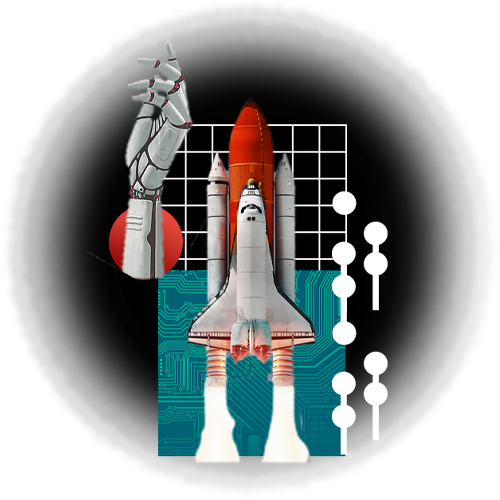
Human Tools and Technology
Social Media Addiction: Physical and Spiritual Effects
In today’s hyperconnected world, social media has become an integral part of our daily lives. From sharing life updates to staying informed about current events, platforms like Facebook, Instagram, and X… Read More
Read MoreDeep Dives
Ready for more complex topics and advanced scientific commentary? Dig deeper with our scholar articles.
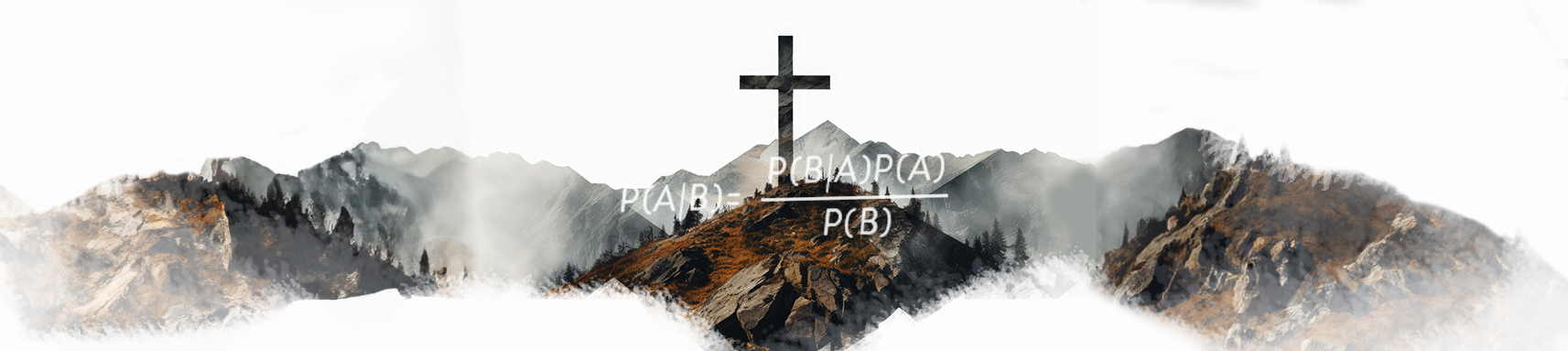
Bayes, Babbage, and Belief in the Resurrection
Bayesian statistics, first conceived by the Reverend Thomas Bayes in the 1740s, is at least partly responsible for several significant historical achievements. Bayesian statistics helped Alan Turing crack the Enigma cipher used by the Germans in World War II, aided researchers at Harvard in identifying the authors of the… Read More
Read More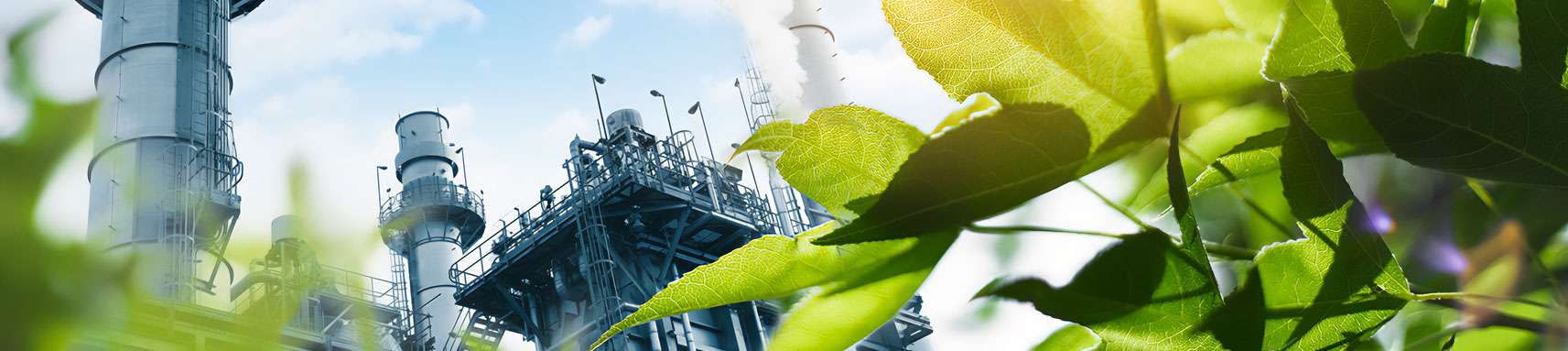
Most Polluted City Sets Course for Creation Care and Health
According to recent satellite data, India, now the world’s most populous nation, ranks highest (as in worst) for particulate air pollution. Not surprisingly, Delhi, India’s capital city, with a metropolitan population of over 29,000,000, ranks as the world’s most air-polluted city.1 Such pollution is more than merely unpleasant for… Read More
Read More