Adam & Eve > Early Humans

Early Humans

What do we know about the earliest humans? From art and tools to language and migration, early civilizations reflect God’s special imprint and how humans are distinct from animals.

Ancient remains fit within the biblical timeline, but how did the vast diversity of humanity arise from just two people? Genetics, anthropology, and archaeology provide fascinating clues.

Let’s explore the earliest generations of human history and how they align with both science and biblical truth.

Early Humans

Easy Reading

Looking for a starting point? These articles tackle today's biggest science and faith questions in a clear, accessible way—no PhD required. 

Glue Production Is Not Evidence for Neanderthal Exceptionalism
Early Humans

Glue Production Is Not Evidence for Neanderthal Exceptionalism

Explores whether Neanderthal tar production truly signals advanced cognition or if simpler natural processes suffice, challenging views on human uniqueness. Read More

Read More
Primate Thanatology and the Case for Human Exceptionalism
Early Humans

Primate Thanatology and the Case for Human Exceptionalism

Explore primate thanatology and funerary practices to understand human uniqueness, symbolism, and the image of God in modern humans. Read More

Read More
Timing of Neanderthals’ Disappearance Makes Art Claims Unlikely
Early Humans

Timing of Neanderthals’ Disappearance Makes Art Claims Unlikely

New radiocarbon evidence challenges claims that Neanderthals created symbolic art, supporting modern human exclusivity in symbolic capacity. Read More

Read More

Looking For More?

Search our archives for more easy-to-read blog posts.

Find More

Deep Dives

Ready for more complex topics and advanced scientific commentary? Dig deeper with our scholar articles.


Neanderthal Gene Deserts Provide Oasis for RTB’s Creation Model

Explore how Neanderthal gene deserts affirm human uniqueness and support RTB's creation model, integrating science and faith. Read More

Read More
New Research Confirms Postflood Dispersal of Humanity

New research shows a near simultaneous post-Flood human dispersal aligning with Genesis, supporting biblical inerrancy through archaeology. Read More

Read More
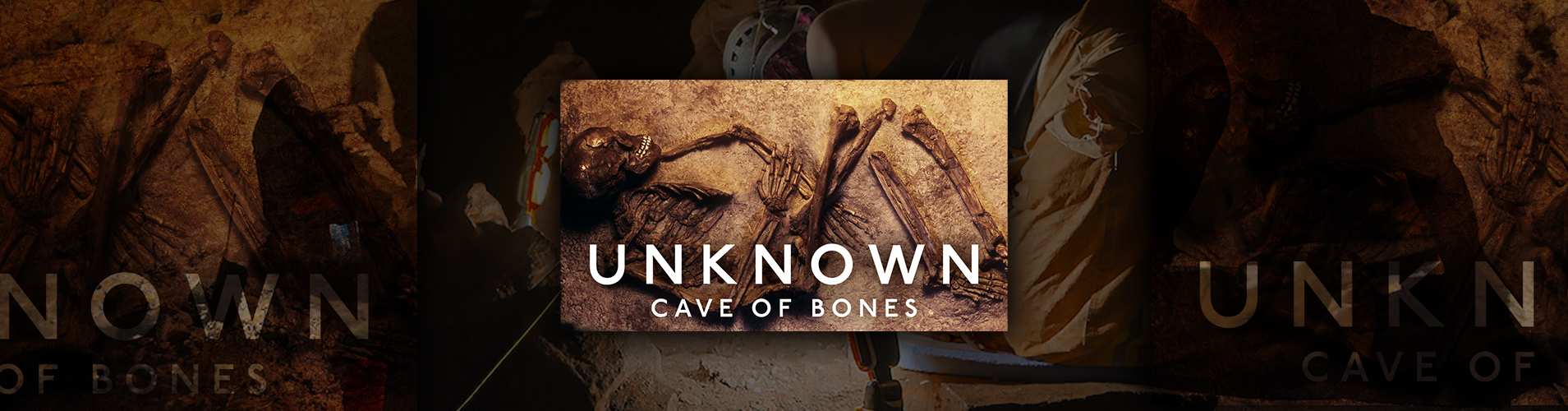
A Response to “Unknown: Cave of Bones”

A critical review of the Netflix documentary on Homo naledi questioning claims about human uniqueness and paleoanthropological evidence. Read More

Read More
Does <i data-lazy-src=
Were Early Humans Engaged in Farming and Metallurgy?

Explore evidence of early human farming and metallurgy during the Ice Age, reconciling biblical accounts with recent archaeological findings. Read More

Read More
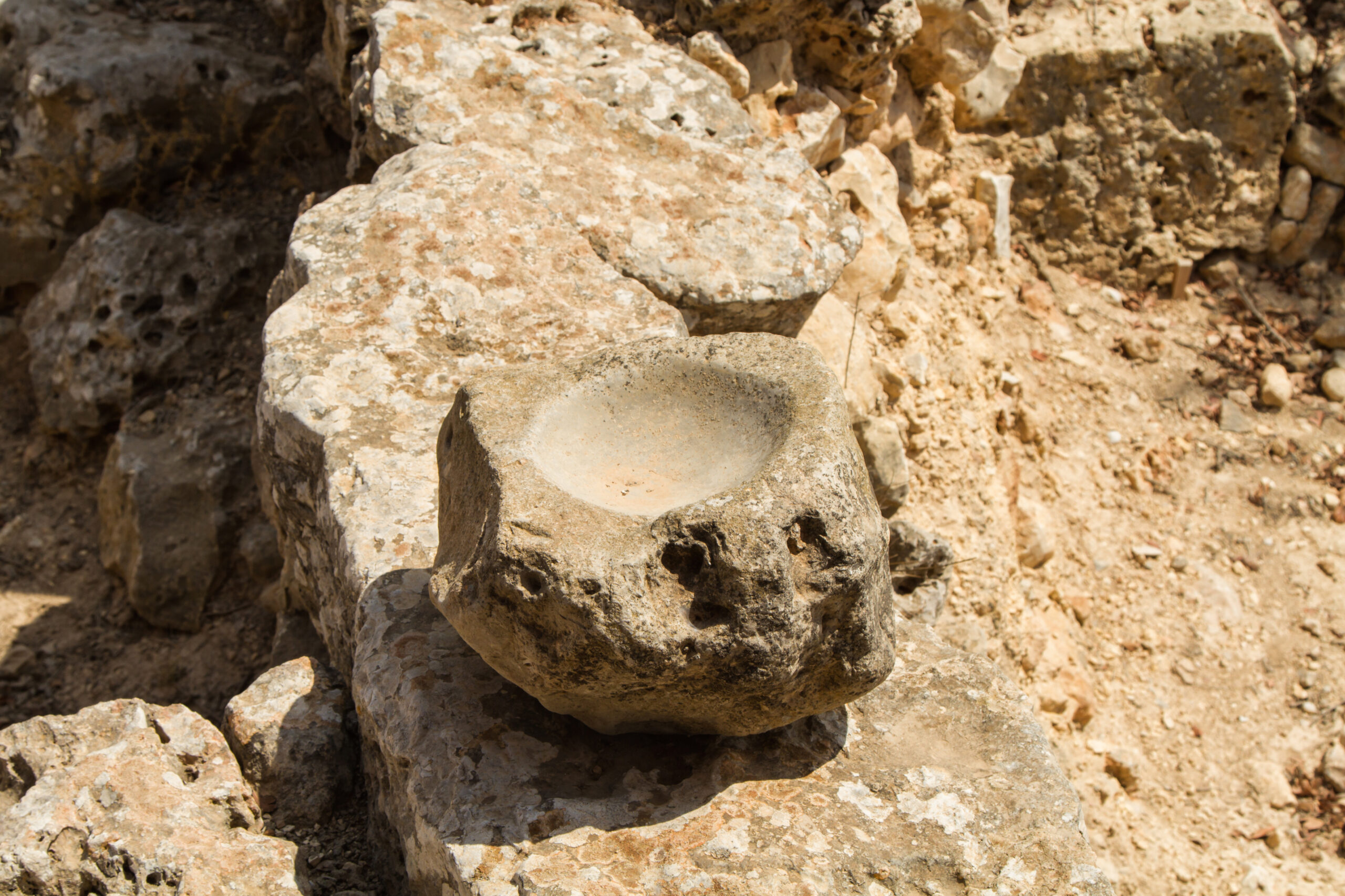
Early Humans’ Complex Food Preparation Supports Exceptionalism

Discover archaeological evidence revealing early humans' complex food preparation, supporting biblical views of human exceptionalism and advanced ancient technology. Read More

Read More
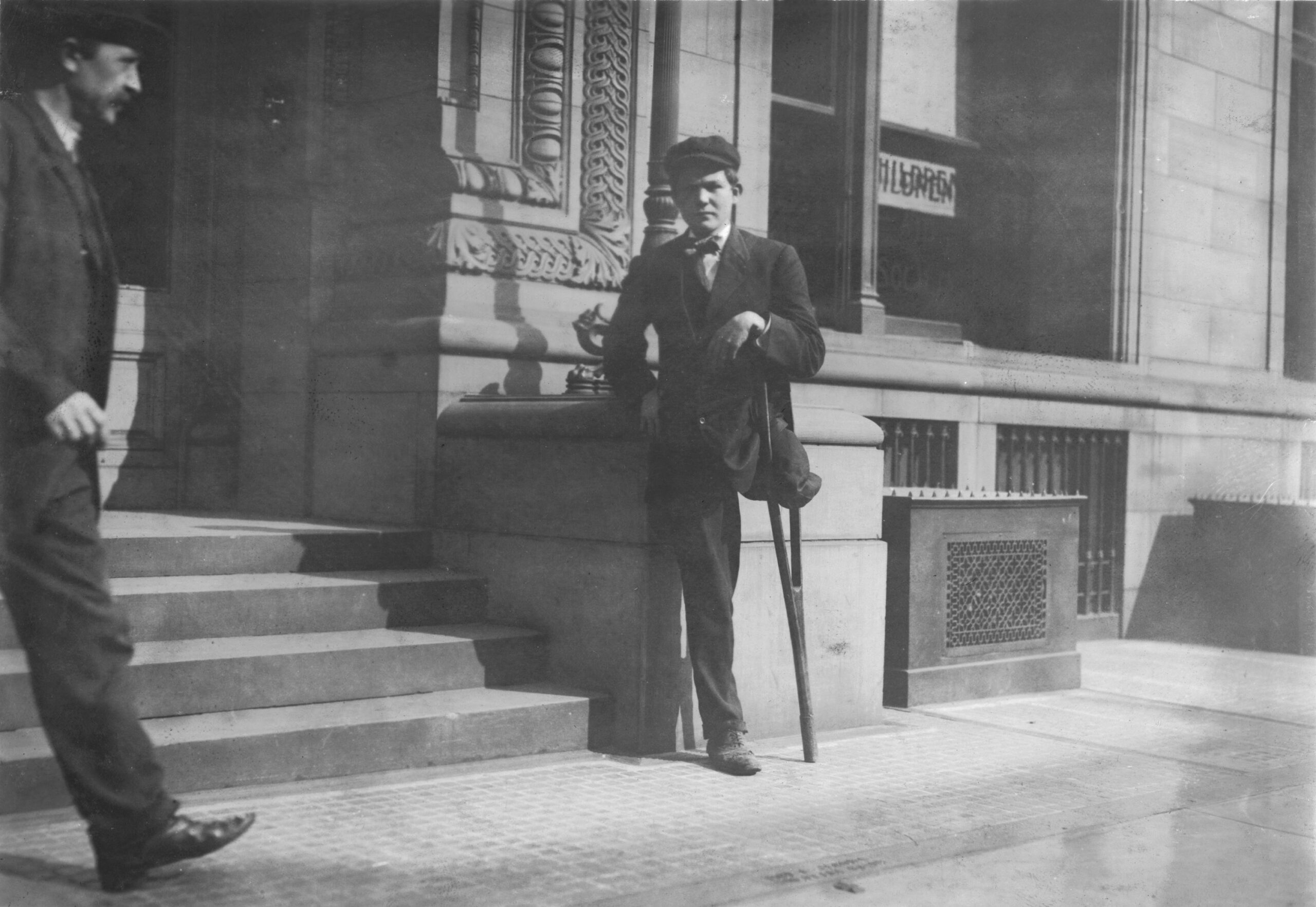
Ancient Surgical Amputation Affirms Human Exceptionalism

Discover the 31,000-year-old surgical amputation in Borneo, revealing early humans' advanced medical skills and affirming human exceptionalism. Read More

Read More
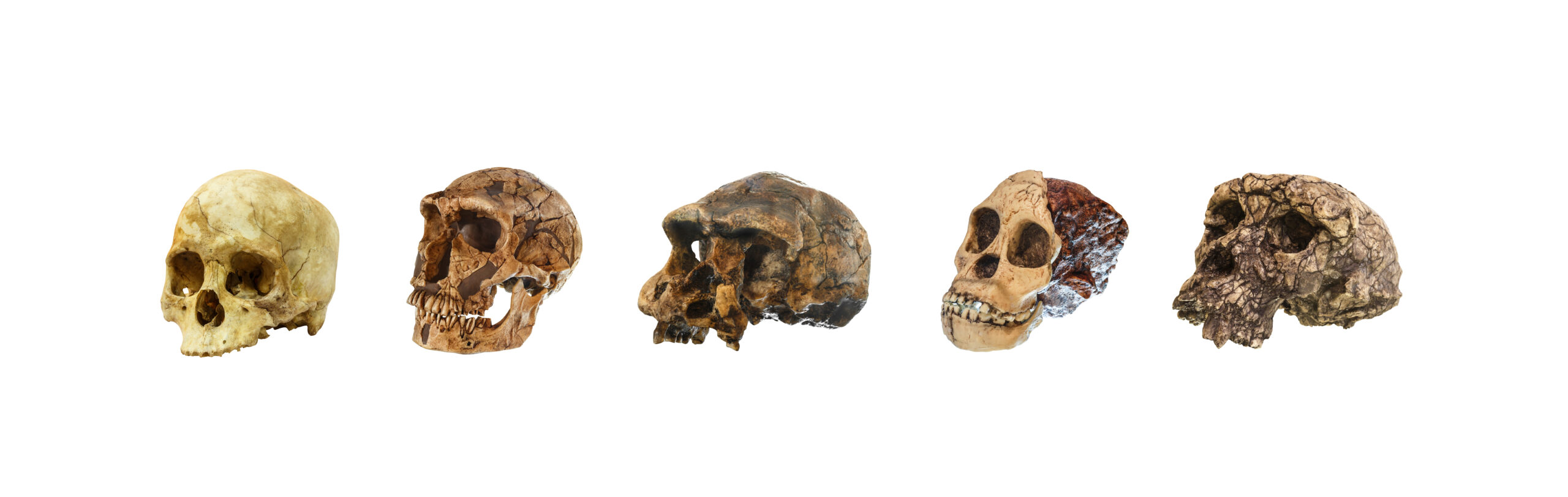
Humans’ Chewing Advantage Supports Exceptionalism

Explore how humans' efficient chewing, aided by unique anatomy and food processing, supports human exceptionalism with scientific insights. Read More

Read More