The Bible
New Radiocarbon Ages of Dead Sea Scrolls? Part 2
Explore how radiocarbon dating and paleography methods compare in dating the Dead Sea Scrolls, revealing challenges and advances in archaeology. Read More
RI Faculty | Scholar | Former Visiting Scholar
Physics
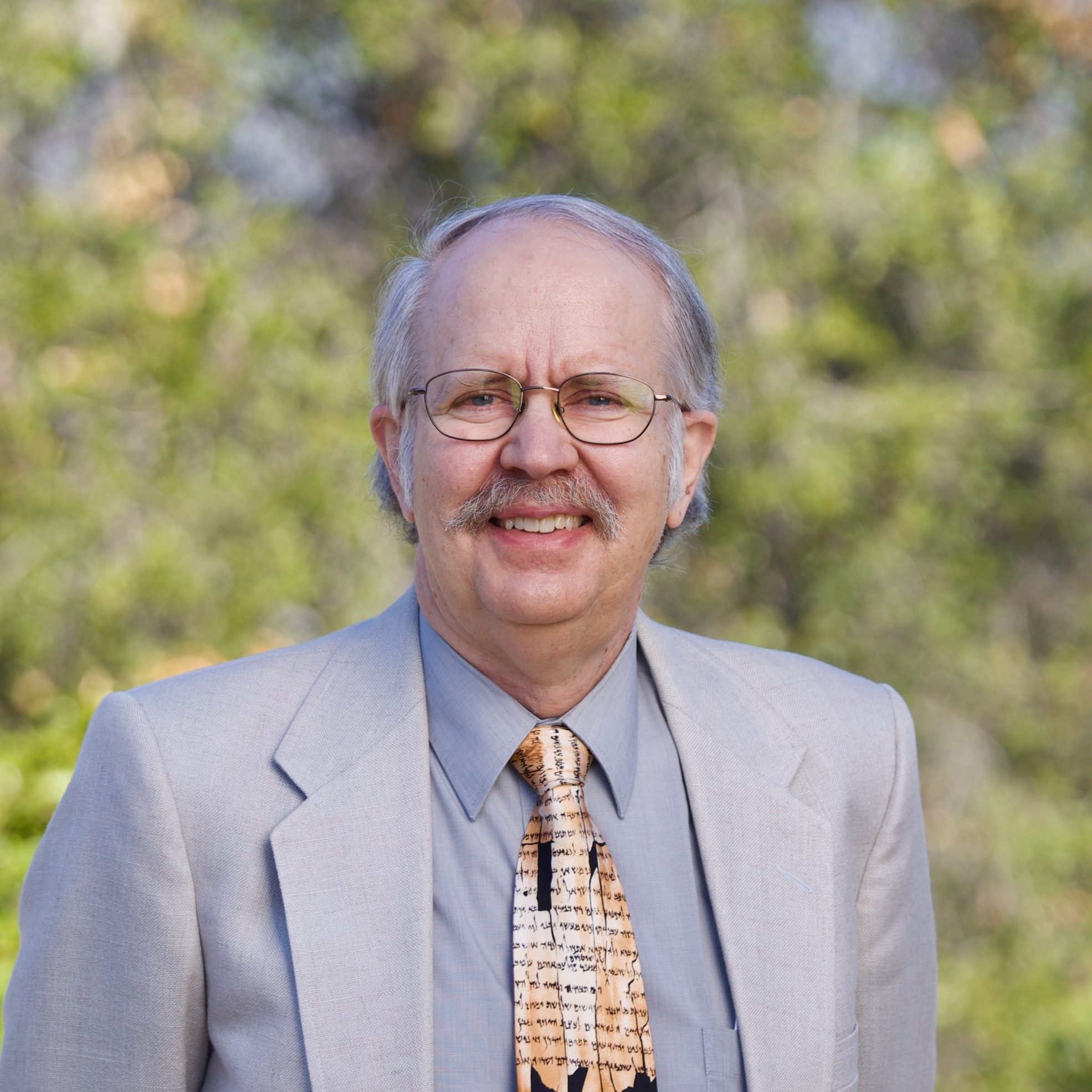
John Bloom earned a PhD in physics from Cornell University and a second PhD in ancient Near Eastern studies. He is a physics professor and founding director of the science and religion MA program at Biola University, where he has taught for nearly 30 years. He also spent time as the chair of the chemistry, physics, and engineering departments. His work spans cosmology, cell biology, and prophecy as evidence for the truth of Scripture. John’s interests range from addressing “parallelomania” in Old Testament studies to advocating fine-tuning and design in cosmology and cell biology.
Selected articles and research published with Reasons to Believe, offering deeper exploration of key topics.
New Radiocarbon Ages of Dead Sea Scrolls? Part 2
Explore how radiocarbon dating and paleography methods compare in dating the Dead Sea Scrolls, revealing challenges and advances in archaeology. Read More
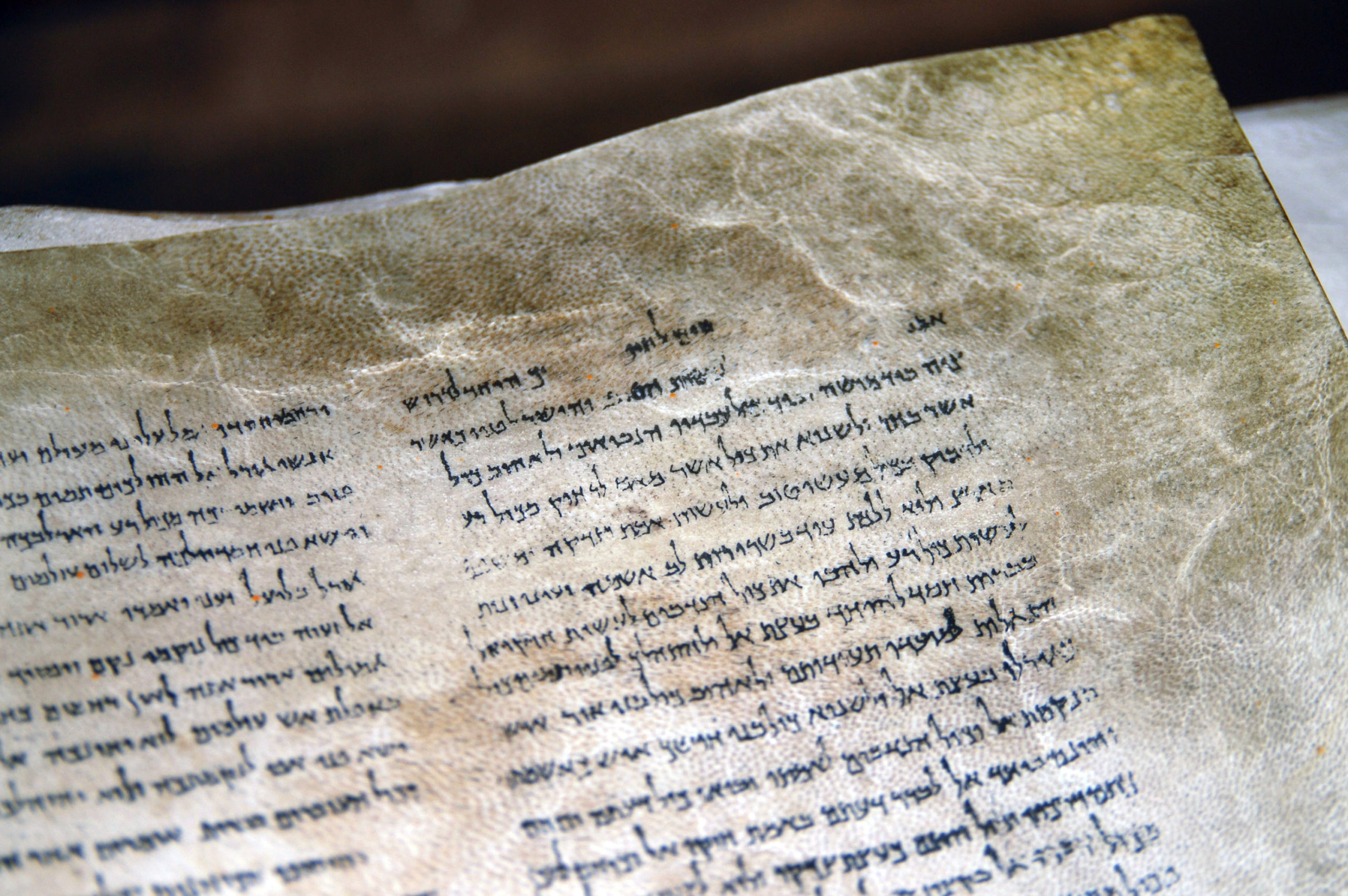
New Radiocarbon Ages of Dead Sea Scrolls? Part 1
Explore how updated IntCal20 radiocarbon calibration enhances the accuracy of Dead Sea Scrolls dating, supporting biblical chronology. Read More
Our staff scholars are leaders in their fields, combining academic excellence with a commitment to exploring the harmony between science and the Christian faith.

President & CEO
Fuz Rana is a biochemist, author, and Christian apologist specializing in human origins, genetics, and the scientific evidence for design. President, CEO, and senior scholar at Reasons to Believe (RTB), he formerly served as a senior scientist in research and development at Procter & Gamble. Rana earned a BS in chemistry with highest honors from West Virginia State College (now University) and a PhD in chemistry with an emphasis in biochemistry from Ohio University. He pursued postdoctoral studies on cell membranes at the Universities of Virginia and Georgia. Read More
Read More
President & CEO
Fuz Rana is a biochemist, author, and Christian apologist specializing in human origins, genetics, and the scientific evidence for design. President, CEO, and senior scholar at Reasons to Believe (RTB), he formerly served as a senior scientist in research and development at Procter & Gamble. Rana earned a BS in chemistry with highest honors from West Virginia State College (now University) and a PhD in chemistry with an emphasis in biochemistry from Ohio University. He pursued postdoctoral studies on cell membranes at the Universities of Virginia and Georgia. Read More
Read MoreBring a trusted voice to your event, podcast, or platform. RTB scholars engage audiences around the world with compelling scientific evidence that supports the Christian faith.
Learn More